
Examples of cell depletion and signaling disruption have been reported for many types of innate immune cells. However, it is also worth recognizing that alcohol and alcohol-related metabolites can interact with a variety of lymphocytes in nuanced ways through mechanisms other than cellular depletion. Some cell types, such as MAIT cells, may be mediated through indirect pathways that involve the microbiota. This review was primarily concerned with innate-like T lymphocytes, and therefore, we emphasized examples like the observation that alcohol increases iNKT IL-10 secretion.
Alcohol consumption and infection
Consequently, unconventional T-cell stimulation occurs independent of the classical major histocompatibility complex (MHC) I and II-dependent presentation of microbial components and/or antigens (33). Like ILCs, the classification of unconventional T cells depends on cytokines, effector molecules, transcription factors, and surface markers (Table 1). Growing evidence supports an important role of unconventional T cells in the early immune response by providing an immediate cellular response and facilitating conventional T-cell responses (33). Each of these events does alcohol suppress immune system is mediated by the activation of nuclear factor kappa B (NFκB), which can be inhibited by alcohol consumption and thus prevent the production of pro-inflammatory cytokines. In vivo studies have confirmed that binge drinking with a blood alcohol concentration (BAC) of approximately 0.4% can reduce the production of various inflammatory cytokines including interleukin-6 (IL-6), IL-10, and IL-12. However, similarly to the in vitro studies described above, at 2 and 5 hours post-binge the numbers of circulating monocytes were reduced and levels of antiinflammatory IL-10 levels were increased (Afshar, Richards et al. 2014).

Modulation of Adaptive Immunity by Alcohol
The more you drink, the lower your serotonin will be, increasing your risks of depression. Serotonin is the so-called “feel-good” neurotransmitter responsible for feelings of happiness and motivation. Inflammation is the source of many serious conditions, but it’s actually your immune system’s way of healing your body after an injury or fighting an infection. When you get a cut or the flu, your body calls in an inflammatory team to handle the situation. Past research shows alcohol consumption leads to more severe lung diseases, like adult respiratory distress syndrome (ARDS) and other pulmonary diseases, including pneumonia, tuberculosis, and respiratory syncytial virus.
- Chronic alcohol intake damages organs, particularly the liver, which plays a vital role in supporting immunity.
- Amanda Woon, a 35-year-old in Hong Kong, started drinking less in 2018 after noticing how awful it made her feel.
- Cytokines can also modulate important behavioral functions including learning and memory (Hao, Jing et al. 2014) possibly due to their role in neuroplasticity (Sheridan, Wdowicz et al. 2014).
- The microbiome is the bacteria that naturally live on our skin, in our digestive tract and in part of the reproductive system in females.
- Constant medical care provided during inpatient treatment helps prevent relapse.
Is Travel Actually Bad for Your Gut?
Empyema occurs outside of the lungs, so doctors must remove it via surgery or by draining it with a needle. Mina Makar https://ecosoberhouse.com/ highlights AstraZeneca’s commitment to advancing heart failure research and innovative therapies, addressing critical needs in cardiovascular health. “Anything above that, regardless of time period, is exposing your body to more alcohol than is ideal,” says Favini.
- Alcohol does suppress people’s immune systems; it does not have to be used for long periods of time to make you more susceptible to infections.
- The insights summarized in this issue of ARCR present researchers and clinicians with opportunities to devise new interventions or refine existing ones to target the immune system and better manage alcohol-related diseases.
- In vivo studies in humans confirmed these observations, demonstrating that binge drinking (i.e., consuming 5 to 7 drinks within 90 to 120 minutes) promoted T-cell apoptosis and decreased Bcl-2 expression (Kapasi et al. 2003).
Treatment with a compound that activates the VDR (i.e., a VDR agonist) restored the T cell’s VDR expression, down-regulated RAS expression as well as ROS generation, and thus preserved T-cell survival (Rehman et al. 2013). Rimm thinks the biological evidence still shows that moderate alcohol consumption offers a small benefit for heart disease and other conditions such as type 2 diabetes. But these benefits are probably averaged out—or maybe even outweighed—by traffic injuries, breast cancer and other risks of moderate drinking. Ethanol may be detrimental to immune cells due to the generation of free radicals during clearance; however, alcoholic beverages containing antioxidants should be protective against immune cell damage. Daily moderate consumption of alcohol (500 ml of a 12 % ethanol dilution), 500 ml of red wine, red grape juice, and de-alcoholized red wine for two weeks at doses that inversely correlate with cardiovascular disease risk did not show any effects on human immune cell functions. Your brain plays a big role in sensing when it’s time to kick your immune response into high gear.
Alcohol, other drugs, and health: Current Evidence
Despite the gaps in research, many experts say the evidence of risk is too strong to be ignored. These guidelines are up for review this year, and two recent reports meant to inform that process came to seemingly competing conclusions – continuing a longstanding debate on how to weigh the potential risks and benefits of alcohol. Simar Bajaj is an award-winning science writer and Marshall Scholar studying epidemiology.
- In contrast, systems which directly encounter pathogens from the environment can become more susceptible to infection and injury (76, 77).
- However, alcohol can also weaken the immune system, cause serious health conditions and make the body more vulnerable to infections and viruses.
- Chronic alcohol consumption results in lymphopenia with a loss in circulating T cells and B cells.
- While it is technically true that no level of alcohol is risk-free, neither are many daily activities, from driving to eating bacon.
What Does Alcohol Do to Your Body? 9 Ways Alcohol Affects Your Health
Uncontrolled inflammation can do more harm than good by damaging healthy cells and tissues. Alcohol use, even single episodes, increases the risk of pneumonia by suppressing the immune system and allowing infection opportunities to take hold. Alcohol can also make pneumonia last longer by allowing the bacteria more time to multiply and inhibiting the body’s ability to fight back. If you drink twice or week or less and only drink two to three drinks Substance abuse per occasion, your immune system may not be at a high risk of damage. If you find it challenging to limit or stop your alcohol intake, it may be time to seek help for alcohol addiction. The impact alcohol has on the body is mainly due to the way the body processes alcohol.
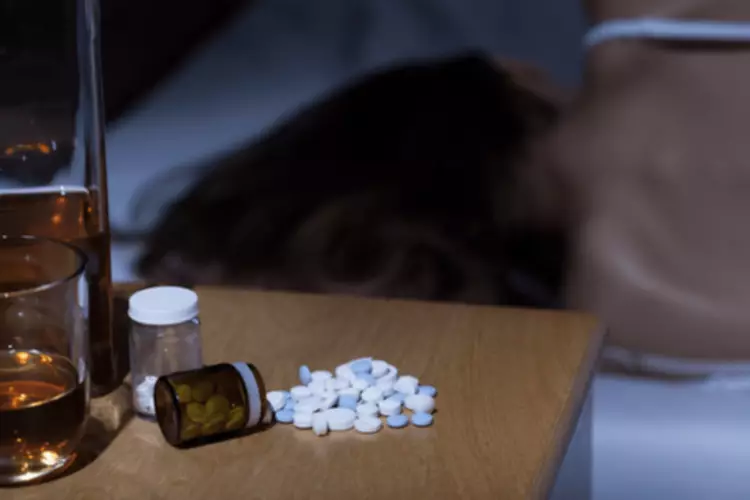

While binge drinking is typically more harmful than occasional drinking, any amount of alcohol can have adverse effects on the body and its ability to fight infections and diseases. Drinking every day or drinking too much alcohol at a time may affect the immune system more than drinking every other day or every few days, but the healthiest thing to do is abstain from drinking completely. Alcohol consumption does not have to be chronic to have negative health consequences. In fact, research shows that acute binge drinking also affects the immune system. There is evidence in a number of physiological systems that binge alcohol intake complicates recovery from physical trauma (see the article by Hammer and colleagues).
The impact on immune cells and functions contributes to an increased risk of diseases and infections. We can’t stress enough the importance of moderation in consuming alcohol to maintain robust immunity. You don’t have to be a chronic alcoholic in order for your health and immunity to suffer. In addition to laboratory studies confirming the impact of alcohol consumption on the innate immune system, several studies have looked at how heavy drinking can alter plasma cytokine levels. To this end, one study analyzed IL-10, IL-6, IL-18, and tumor necrosis factor α (TNF-α) levels in 25 non-treating seeking heavy drinkers after they had consumed an alcoholic drink. The researchers reported significant reductions in the TNF-α levels three and six hours after the alcohol consumption.