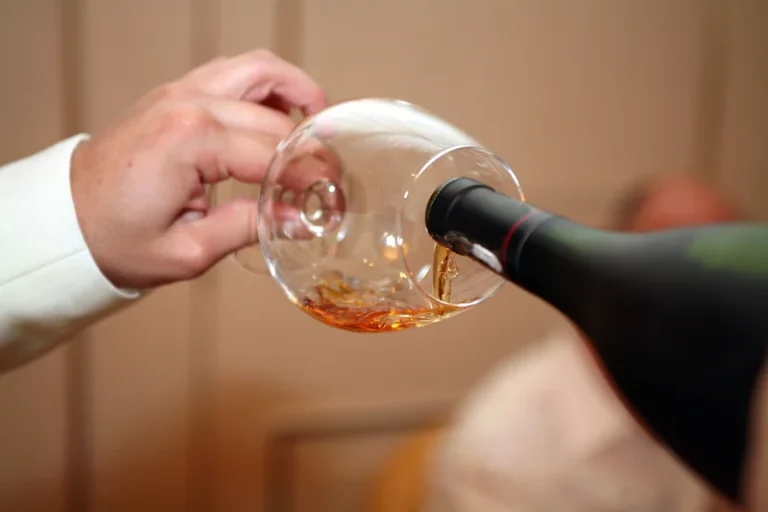
The most commonly proposed explanations include congestion, allergies, nerve stimulation, and genetic factors. If this phenomenon causes significant distress or worsens over time, it is recommended to consult with a healthcare professional to rule out any underlying issues. Histamine intolerance or sensitivity can make it difficult for the body to metabolize the histamines found in beer. As a result, the histamines can accumulate and trigger allergic symptoms. Occasionally, a doctor may ask a person to consume alcohol in a medical setting and observe any reactions or symptoms. If someone experiences a severe allergic reaction, they should go to the emergency room immediately.
Sexual Health
It occurs when your immune system overreacts to alcohol, treating it as a harmful invader and releasing histamines. For those with histamine intolerance, it is crucial to be aware of how histamines in alcohol affect the body. This knowledge can guide individuals in making informed decisions about alcohol consumption, especially if they have experienced adverse reactions in the past. Consulting with a healthcare professional is recommended if one frequently encounters symptoms of histamine intolerance. The onset of symptoms is usually noticed by slightly more laboured breathing after consuming alcohol.

Surprising side effects of alcohol
The online discussions on this phenomenon range from catching a closet drinker in the alcohol sneezing fit act to a life-threatening allergy situation (please, carry an epi-pen in this case). Some say it is more about the type of beer (too many hops) than a reaction to the alcohol in beer. Yes, alcohol can interfere with the effectiveness of antihistamines. It can increase the sedative effects of these medications, leading to drowsiness and impaired coordination.
How is alcohol allergy diagnosed?
The symptoms can range from mild to severe, and can potentially be life-threatening in rare cases. While alcohol can help you fall asleep faster, it has a negative effect on sleep quality and duration. This is why people who drink alcohol at bedtime (especially in excess) may fall asleep quickly, but they are also more likely to experience fatigue and insomnia in the long run. Alcohol increases your risk of breast cancer because it causes an increase in estrogen levels, and damages DNA, which can lead to the development of cancer cells.
Symptoms
These symptoms can occur soon after consuming beer or what is alcoholism take a little longer to appear. It is important to note that a food allergy is the immune system’s response to a food protein that the body perceives as harmful. In contrast, a food intolerance or sensitivity, which is more common, involves the digestive system and typically presents less severe symptoms, such as digestive problems.
Alcohol is a central nervous system depressant, which is why people feel sleepy after they’ve had a drink or two, and why drinking a “nightcap” before you go to bed can sound appealing. Researchers estimate that 8% of the world’s population has a defective ALDH2 gene. Use of this site constitutes acceptance of Sober Recovery’s “Terms of Use”, “Privacy Policy”, “Cookie Policy”, and “Health Disclaimer”. The material on this site is for informational purposes only, and is not a substitute for medical advice, diagnosis or treatment provided by a qualified health care provider. This is known as the snatiation reflex, which is a combination of the words ‘sneeze’ and ‘satiation. ‘ A person experiences this reflex when their stomach is full and becomes stretched.
- Molybdenum can help the liver cope with the excess sulphites in your system.
- This will help reduce your nose’s contact with the drink and make it less likely to trigger a sneeze.
- Another reason why alcohol can cause wheezing is that it not only contains histamines but also stimulates the body to release excess histamines, causing an inflammatory response.
- If someone experiences a severe allergic reaction, they should go to the emergency room immediately.
- Headaches caused by alcohol intolerance may remind you of headaches felt during a hangover.
Supplements That Can Help With Alcohol Intolerance
Red wines generally have higher histamine content than white wines, with levels ranging from 60 to 3,800 micrograms per litre in reds and 3 to 120 micrograms per litre in whites. Some signs of anaphylaxis include swelling, itching, tightening of the throat and mouth, a weak or rapid pulse, fainting, shock, and loss of consciousness. Read beverage labels to see whether they contain ingredients or additives you know cause a reaction, such as sulfites or certain grains. If you find that straight spirits make you sneeze, try diluting them with water or soda before you drink them. This will reduce the alcohol in the drink and make it less likely to trigger a sneeze.
Beer Sneezes: What Do They Mean?
Additionally, alcohol’s ability to disrupt sleep can make those suffering from allergies sleep worse, leading to increased fatigue and reduced quality of life. It’s crucial to be aware of these factors and manage alcohol consumption accordingly to avoid exacerbating allergy symptoms. Allergic rhinitis, a common condition characterized by symptoms like sneezing, stuffy nose, and itchy eyes, can be aggravated by alcohol.
Alcohol itself can cause blood vessels to dilate, which can lead to swelling, nasal congestion, and excessive mucus drainage. These symptoms can also make the nasal passage more sensitive, leading to sneezing. This reaction will happen whatever alcohol you consume, whether it is drunk or added to main courses or puddings.